CNRS Physics Research Themes
Physics research aims to understand the fundamental laws governing the Universe, explore the behaviors of matter and radiation, and describe their interactions across a vast range of scales, from the subatomic to the…
Research at CNRS Physics focuses on the study of matter, radiation and the fundamental laws which govern the physical world. Physics has thematic diversity and seeks to reveal the main principles underlying the properties and behavior of objects, however complex these may be. Its approach also very much influences and nourishes research in other disciplines.
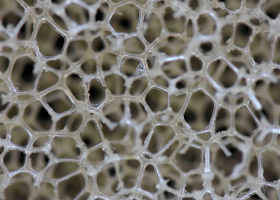
Physics research aims to understand the fundamental laws governing the Universe, explore the behaviors of matter and radiation, and describe their interactions across a vast range of scales, from the subatomic to the macroscopic, and from the simplest systems to living organisms.
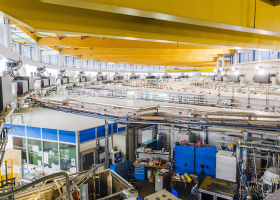
To achieve this ambition, CNRS Physics supports an integrated approach: theoretical formulation, model development, numerical simulations, cutting-edge experimentation, and instrument design. Teams at CNRS Physics design and implement both experimental devices and theoretical tools. Their work leverages advanced technological platforms and thrives on collective dynamics, particularly around national and international large research infrastructures (IR, IR*).
CNRS Physics organizes its scientific action around five major, interrelated strategic domains:
Developing analytical and numerical concepts and tools to understand, model, and predict physical phenomena in all their diversity, from fundamental to applied research.
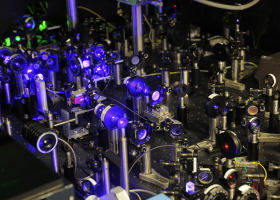
Studying light-matter interactions, probing matter under extreme conditions, exploring quantum phenomena, and developing technologies based on optics and lasers.
Investigating the structure and mechanical, thermal, and dynamic properties of natural and artificial materials to better understand and design optimized materials.
Analyzing systems with collective or non-equilibrium behaviors—from complex fluids to biological systems—to uncover the underlying physical principles and predict their behavior.
Predicting and exploring the electronic, magnetic, and quantum behaviors of bulk and low-dimensional materials, from fundamental research to emerging technologies.
CNRS Physics makes significant contributions to the CNRS’s transdisciplinary initiatives, with expected medium- and long-term impacts in materials science, biology, molecular chemistry, and geosciences.
A prime example is Quantum Sciences & Technologies, which combines fundamental, applied, and technological sciences, integrating both physical (from materials to systems) and software dimensions in the fields of quantum computing, communication, and sensing.
CNRS Physics conducts its research within a strong territorial network, through joint research units with universities and other organizations, in close collaboration with academic and industrial partners. This structure fosters scientific excellence, interdisciplinary innovation, and a firm commitment to addressing major societal, technological, and environmental challenges.
CNRS Physics actively participates in the governance bodies of 4 research infrastructures (IR) and 6 very large research infrastructures (IR*). The organization at the European scale strengthens the dynamics of exchanges and the quality of instrumental developments for physics research.
According to the French National Strategy for Research Infrastructures, "A research infrastructure is characterized by essential, unique, facilities, resources, or services of national, or even European or international, scale, whose purpose is to conduct and support excellence in research. It includes scientific equipment, resources such as collections, archives, and scientific data, digital services and infrastructures, and any other essential tool to support top-level research and innovation."
Like other CNRS institutes, CNRS Physics participates in the governing bodies (board of directors or steering committee) of the research infrastructures for which it serves as the reference institution. This involvement includes defining their strategy in consultation with their management and other stakeholders, as applicable. CNRS Physics’s role is to ensure that French users of these IR and IR* infrastructures have access to state-of-the-art facilities and that these infrastructures remain at the highest international level.
The IR*, which replace the former "Très Grandes Infrastructures de Recherche" (TGIR), fall under national policy (including budgetary aspects). However, their scientific responsibility remains with the research operators. CNRS Physics participates in the governing bodies of 6 IR*.
APOLLON is a Very Large Research Infrastructure (IR)* under the supervision of the French National Centre for Scientific Research (CNRS) and École polytechnique. Designed to achieve exceptional multi-petawatt laser power, this IR* produces particle beams and radiation with unique parameters. To achieve such results, APOLLON is equipped with state-of-the-art experimental halls and instrumentation technologies, which began commissioning in 2019 and opened to users in 2020.
Localisation : Palaiseau
En cours de construction
The European Spallation Source (ESS) is a consortium for a European Research Infrastructure Consortium (ERIC). It is a multidisciplinary research center based on the world's most powerful neutron source. Its ambition is to build and operate a neutron source of exceptional brightness, powered by a 2 MW proton accelerator, to enable major scientific advancements in materials research, energy, health, and the environment, and to address some of the most pressing societal challenges of our time.
Localisation : Lund (Sweden)
ESRF-EBS – European Synchrotron Radiation Facility (ESRF), which completed its upgrade in 2020 to become an "Extremely Brilliant Source" (EBS), produces X-ray beams 10,000 trillion times brighter than medical X-rays. These X-rays, with exceptional properties, are generated by high-energy electrons (6 GeV) circulating in an 844-meter circumference accelerator. Each year, over 7,000 researchers come to Grenoble to conduct experiments on the 46 beamlines of the ESRF, equipped with cutting-edge instrumentation.
Localisation : Grenoble
European XFEL generates ultra-short X-ray pulses (on the order of femtoseconds), with instantaneous brightness a billion times greater than the best X-ray sources, including synchrotrons.
Thanks to these ultra-short X-ray pulses, scientists can map the atomic structure of proteins, capture 3D images of the nanoworld, film chemical reactions, and study processes under extreme temperature or pressure conditions—such as those deep inside planets—all with femtosecond temporal resolution.
Localisation : Hambourg (Germany)
The Institut Laue-Langevin (ILL) is an international research center at the forefront of neutron science and technology. A world leader in its field, the ILL provides scientists with extremely bright neutron beams, powering more than 40 state-of-the-art instruments, recently modernized through the ENDURANCE program. As a service institute, the ILL makes its facilities and expertise available to researchers worldwide.
Each year, around 1,400 scientists from over 40 countries come to the ILL to conduct some 1,000 experiments, probing the structure and dynamics of matter at the atomic scale and advancing knowledge in materials science, magnetism, nuclear physics, and life sciences.
Localisation : Grenoble
The French synchrotron radiation facility SOLEIL provides the national and international scientific community with instruments that use light of exceptional intensity and stability. SOLEIL is used annually by nearly 3,000 scientists, of whom 65% come from French laboratories and 33% from European laboratories.
This impressive infrastructure accelerates electrons to an energy of 2.75 GeV—slightly lower than at the ESRF—to produce lower-energy radiation, which complements that of the ESRF. With 29 beamlines arranged around the storage ring, this radiation enables scientists to conduct research in physics, biology, chemistry, astrophysics, environmental science, and Earth sciences.
Localisation : Palaiseau
The research teams of CNRS Physics are also key contributors and users of high-performance computing on machines located at the IDRIS in Orsay or within regional centers (mesocenters) in Grenoble, Toulouse, and Lyon.
Among research infrastructures, the IR category includes infrastructures whose scientific strategy and budgetary oversight are the responsibility of the research operators. CNRS Physics manages 4 of these research infrastructures on behalf of the CNRS.
EMIR&A is the French network of accelerators dedicated to the study of material and molecular irradiation and/or their analysis using ion beams. It brings together 15 ion and electron accelerators, coupled with unique in-situ instruments, installed across 11 platforms and 6 sites.
The facilities within EMIR&A are complementary in terms of the accelerated particles, available energies, and associated instrumentation.
Localisation : Caen, Orléans, Orsay, Palaiseau, Paris, Saclay
The National High Magnetic Field Laboratory (LNCMI) is a research infrastructure that welcomes all researchers requiring high magnetic fields and specialized experiments. It operates across two sites. Continuous magnetic fields, up to 42 T, are generated in Grenoble (LNCMI-G). Pulsed magnetic fields, which can exceed 100 T under certain conditions, are produced in Toulouse (LNCMI-T).
Localisation : Grenoble et Toulouse
METSA is a national network of 9 regional platforms that provides the French and international scientific community with access to 13 Transmission Electron Microscopes (TEM) and 3 atom probe tomography devices. It operates across four major activity axes: networking, hosting, training, and research (both scientific and instrumental).
Localisation : National network
The REFIMEVE infrastructure is a national research infrastructure managed by the Laboratoire de Physique des Lasers (LPL) and the Laboratoire Temps Espace (LTE), with support from RENATER. It enables the degradation-free transmission of ultra-stable frequency and time signals, developed by the LTE, to over 30 laboratories and infrastructures with precision beyond 10-18. The REFIMEVE network currently spans 9,000 km across the French territory.
Localisation : Réseau national
Sylvain Ravy
"Research Infrastructures" Deputy Scientific Director
Denis Morineau
"Large scientific instruments" Scientific Representatives
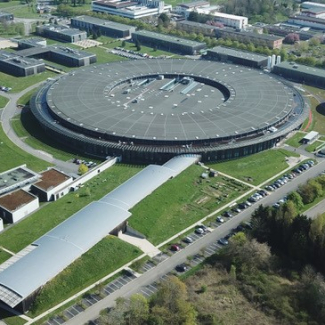
The Research Networks (GDR) bring together and mobilize research teams from various disciplines, from different CNRS institutes, as well as academic or industrial stakeholders, around original or emerging scientific themes. This page lists the GDRs led by CNRS Physics and outlines their research areas.
A CNRS Research Networks (GDR) connects and unites a scientific community around an emerging, original theme. CNRS Physics initiates GDRs focused on scientific topics that address current fundamental or societal issues. These topics may fall within the core business but can also involve interfaces between physics and other scientific fields. In this respect, transdisciplinary GDR led by CNRS Physics are supported in collaboration with other relevant CNRS institutes.
The main missions of a GDR are to foster a thematic, often multidisciplinary, community; to encourage free access to new partners; to promote collaboration and exchange among scientists within the network of participating laboratories; and to establish scientific projects at national, European, or international levels. Expanding GDR communities to include industrial stakeholders—for instance, through the creation of a "partners' club"—enables mutual enrichment and the identification of shared research topics.
This page presents, in the form of summary sheets, the objectives of each Research Network led CNRS Physics. Beyond describing their research focuses, each summary offers the opportunity for new partners—possibly from other disciplinary fields or non-academic sectors—to contact the GDR and join their mailing lists.
The Horizon 2D and Heterostructures (2D+) research network is a horizontal research network that aims to bring together the French community working on two-dimensional materials and associated low-dimensional systems (van der Waals heterostructures, moiré patterns, twisted systems, nanotubes, 2D–1D and 1D–0D hybrids, etc.). Research topics cover synthesis, characterisation, theory and devices, addressing both fundamental properties and emerging functionalities. In a highly competitive international context, the GDR 2D+ promotes scientific exchange, interdisciplinarity, collaboration and visibility at national and international levels.
COORDINATION
THÉMATIQUES
COMMUNAUTÉ
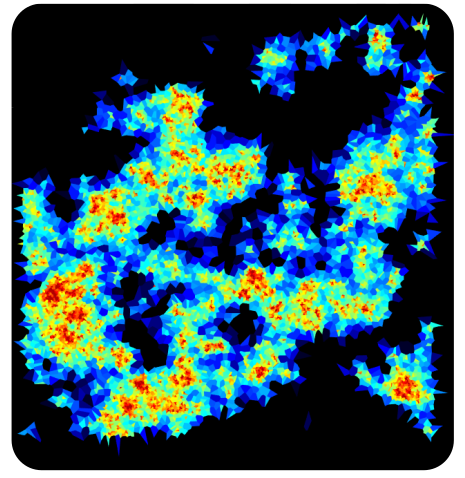
The mission of the Dynamic architecture and physics of the nucleus (ADN-Phys) research network is to bring together the French community involved in the study of nuclear organisation and interested in physical modelling. At the interface between physics and biology, the ADN-Phys GDR aims to understand the functional role of nuclear organisation in physiological processes and associated pathologies by promoting the emergence of an integrated approach to chromosome architecture and dynamics at different scales of size and time.
COORDINATION
RESEACH TOPICS
COMMUNITY
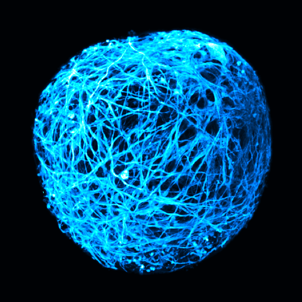
The Quantitative Approaches to Life Sciences (AQV) research network was created to consolidate and promote links between communities at the interface between biology and physics. The creation of the AQV GDR was based on two observations: (1) today, a better understanding of living organisms requires quantifying and modelling them and taking into account the laws of physics and chemistry, (2) this approach can only be implemented in an interdisciplinary framework. Beyond importing tools and concepts, it also involves addressing key questions in biology through approaches that combine biology and physics. These advances enable the development of new physical concepts (examples: active matter, physics far from equilibrium, noise robustness, learning in frustrated systems, dynamics of very high-dimensional systems).
COORDINATION
THÉMATIQUES
COMMUNAUTÉ
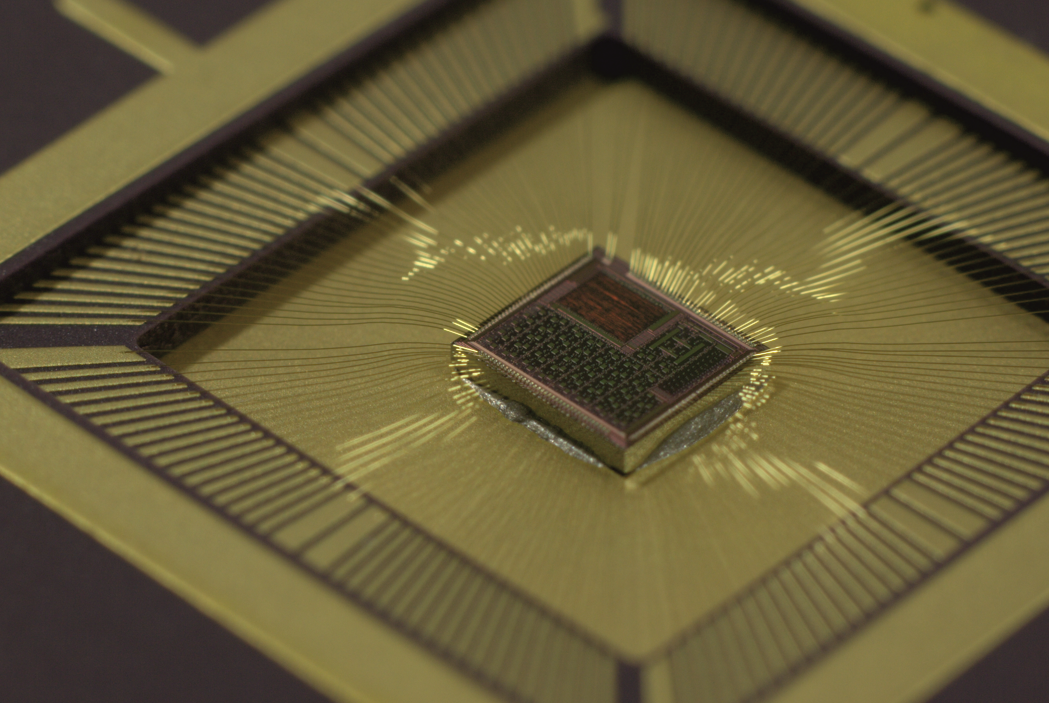
The mission of the Hardware implementations of natural calculation (BioComp) research network is to bring
together and structure the French community working on the realisation of bio-inspired hardware systems. BioComp
aims both to understand the mechanisms at work in biological systems in order to create new types of chips based on
natural computation, and to build hybrid hardware architectures in order to better understand biology.
COORDINATION
THÉMATIQUES
COMMUNAUTÉ
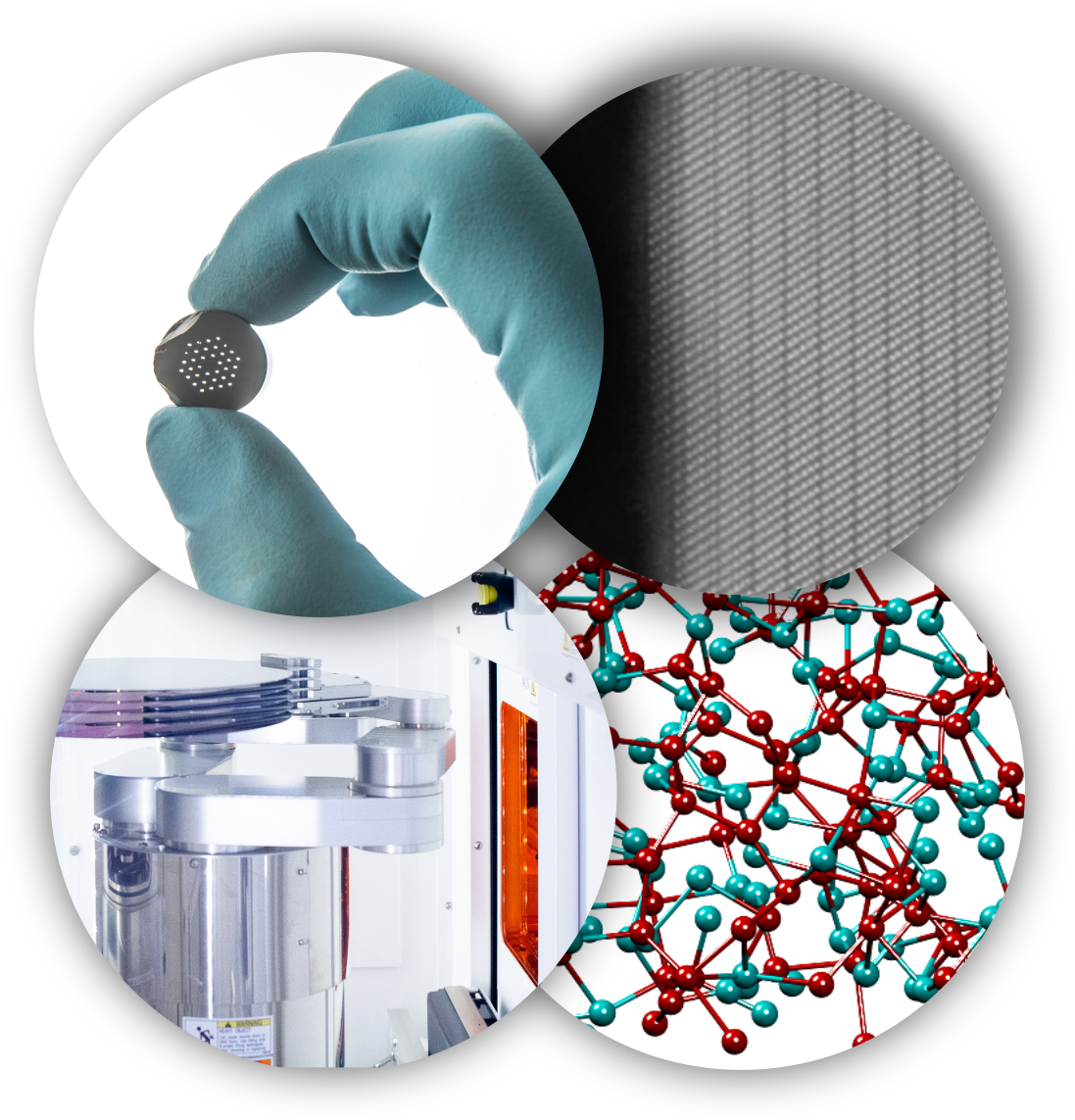
The mission of the Chalcogenide materials: research, development and innovation (CHALCO) research network is to bring together the french community working at the forefront of science/technology around chalcogenide materials in a large variety of multidisciplinary fields. The CHALCO research group aims at structuring this community, on the french national level, to empower the different players to collaborate and interact beyond their own native field. This will be made possible by a vertical netting from fundamental research to industrial applications, and a transverse netting in the 4 identified fields: memories/neuromorphic, optical/photonic, thermal/energetic and spin-orbitronics. Linking all the knowledge/research operators from the fundamental research up to the industrial production will enable the emergence of new synergies in all the deep tech fields where chalcogenide materials are involved.
COORDINATION
THÉMATIQUES
COMMUNAUTÉ
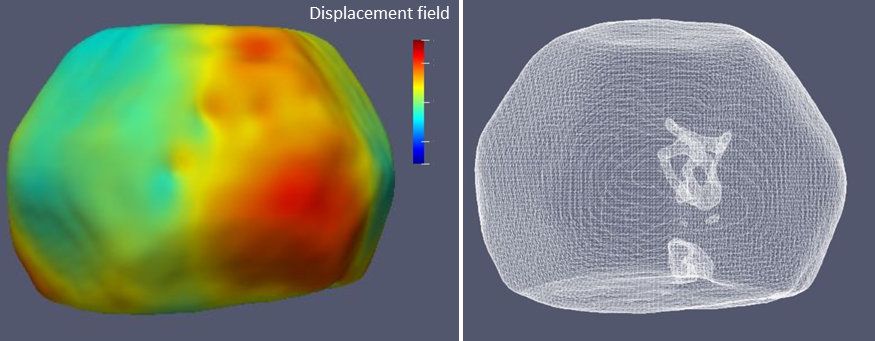
The assignment of the Science with coherent X-rays at 3rd and 4th generation synchrotron sources (CohereX) research network is to gather the French community using coherent X-ray techniques for their research that spans from biological systems over cultural heritage materials and functional materials to the electronic and magnetic structure and dynamics of matter. CohereX aims to share the know-how and to foster the development of novel innovative studies and data analysis approaches, in particular, with respect to the unique opportunities offered at upgraded extremely brilliant synchrotron sources.
*La science avec les rayons X cohérents dans les sources synchrotron de 3ème et 4ème génération
COORDINATION
THÉMATIQUES
COMMUNAUTÉ
The mission of the research network Control of waves in complex media (COMPLEXE) is to gather the French community involved in both fundamental and applied research in the field of the physics of waves in complex media. COMPLEXE aims to foster exchanges between opticians, acousticians, cold-atom physicists and seismologists, and focuses on fundamental aspects of the propagation of waves as well as on the development of novel methods for control and imaging of waves within complex media.
COORDINATION
THÉMATIQUES
COMMUNAUTÉ
The mission of Nonlinear effects in optical fibers and in integrated optics (ELIOS) research network is to bring together the French academic community working on nonlinear effects in waveguides in the broad sense, and to stimulate relations with French manufacturers.
COORDINATION
THÉMATIQUES
COMMUNAUTÉ
The mission of Isolated and interacting molecular assemblies (EMIE) research network is to bring together the French community of physicists and chemists working on molecular systems, and covering a wide range of size and complexity. The objects under scrutiny are either isolated in the gas phase or surrounded by a controlled environment. Building upon fundamental aspects of experimental and theoretical molecular physics, our community is naturally inclined to benefit from interactions with other disciplines (chemistry, biology) and to extend its fields of applications to other scientific domains with timely societal impacts (biology, atmosphere).
COORDINATION
THÉMATIQUES
COMMUNAUTÉ
The Quantum gases (GAZ QUANTIQUES) research network gathers this community in a broad sense merging the communities interested in quantum fluids of light and in ultra-cold atoms. These research domains share the same type of scientific questions often originating from condensed-matter physics. They also share a common quantum simulation approach using well controlled and characterized artificial systems. Each experimental system brings complementary advantages. The whole domain is characterized by a strong link between theories and experiments. The GDR will permit discussions and training about both experimental and theoretical novel techniques and will help
maintaining the French community at the forefront of research.
COORDINATION
THÉMATIQUES
COMMUNAUTÉ
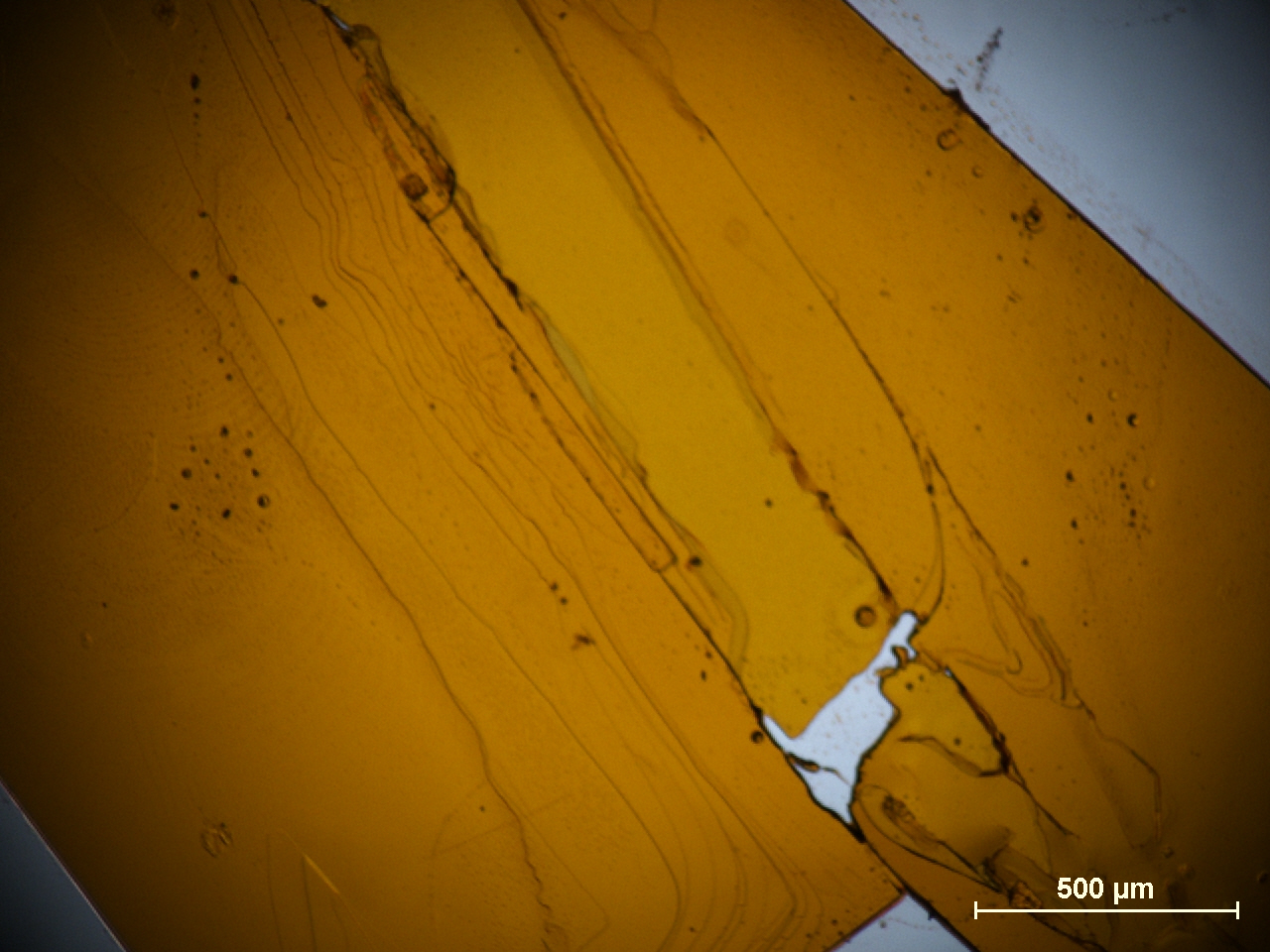
The Halide Perovskites (HPERO) research network is dedicated to halide perovskites. It offers a multidisciplinary approach mixing fundamental and applied aspects, so as to create a synergy capable of developing new concepts as well as opening new potentials in terms of applications.
* Pérovskites halogénées
COORDINATION
THÉMATIQUES
COMMUNAUTÉ
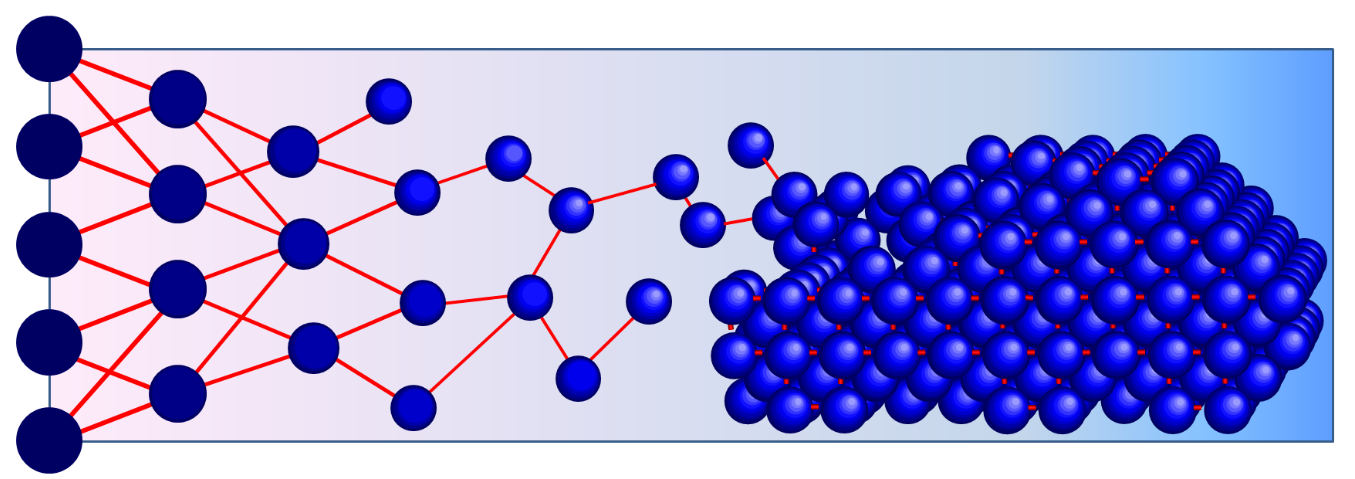
The mission and main objective of the Artificial intelligence in materials science (IAMAT) research network is to bring together the many teams and different communities interested in artificial intelligence approaches in theoretical and experimental materials science. The scientific topics cover the continuum from AI developments to concrete applications in materials science. The key goals are to promote educational exchanges between communities, particularly through transverse actions, and to foster new inspirations and collaborations.
COORDINATION
THÉMATIQUES
COMMUNAUTÉ
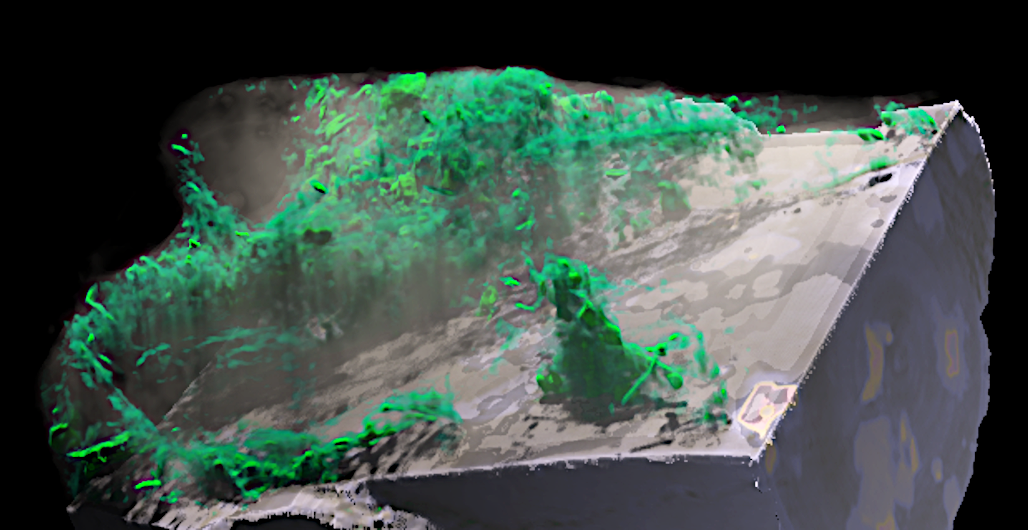
The mission of the Interaction, disorder, elasticity (IDE) research network is to lead to collaborations whose common point is the study of phenomena where heterogeneities play an essential role – both at the theoretical and experimental level – and well described by the framework of disordered elastic systems. The purpose of the GDR is to promote exchanges between communities working on systems of very different nature or scales, although described within this same framework, in order to pool the varied expertise on open questions and initiate new research themes.
COORDINATION
THÉMATIQUES
COMMUNAUTÉ
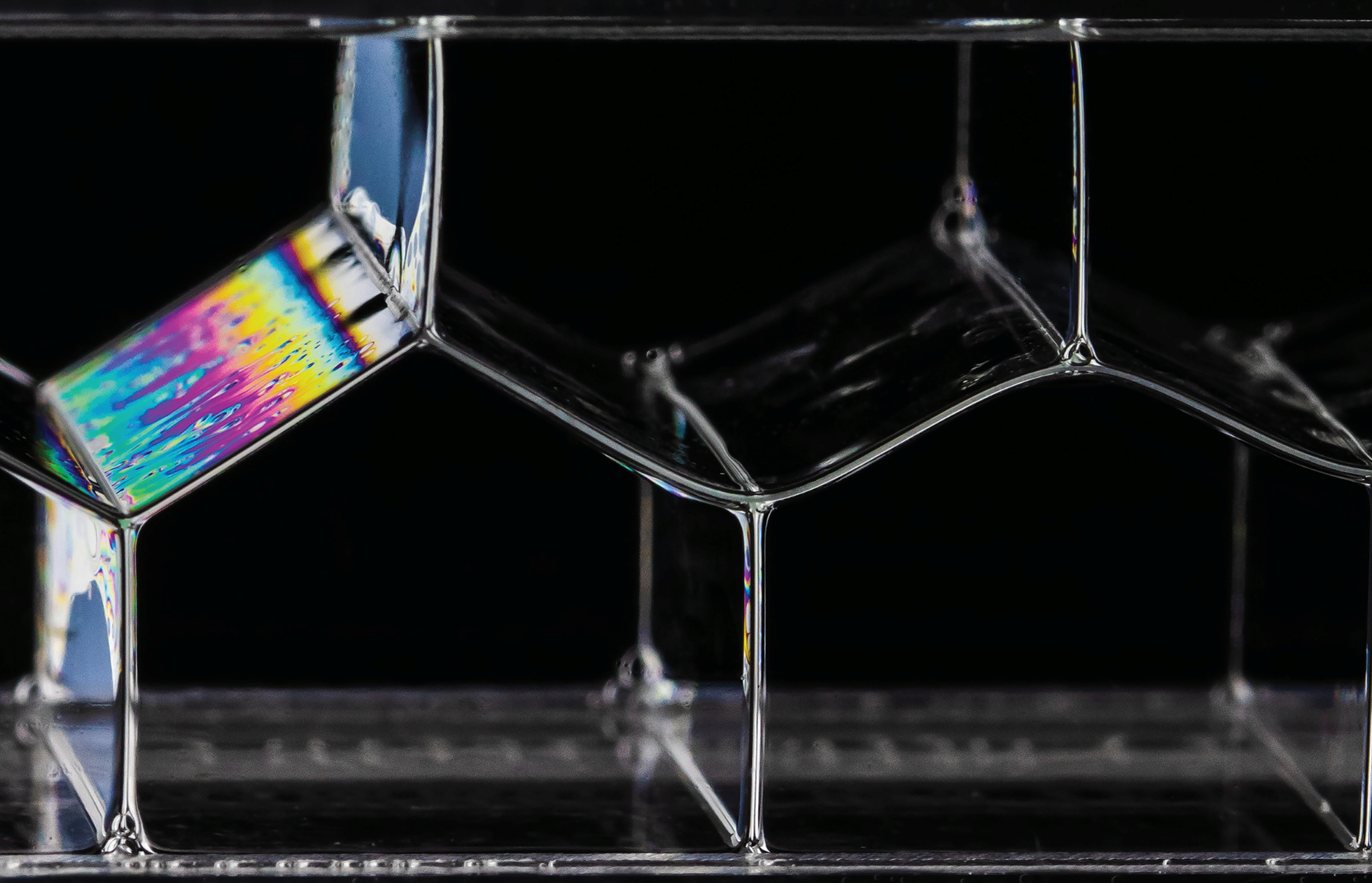
The mission of the Interfacial Soft Matter (ISM) research network is to emphasize and understand the structure and dynamics of thermally dominated systems near the boundary between a liquid and another phase. ISM provides a forum for the French and international communities - from physics, chemistry and engineering backgrounds and using a diverse set of experimental, theoretical and computational tools - studying the domain to congregate and exchange ideas.
COORDINATION
THÉMATIQUES
COMMUNAUTÉ
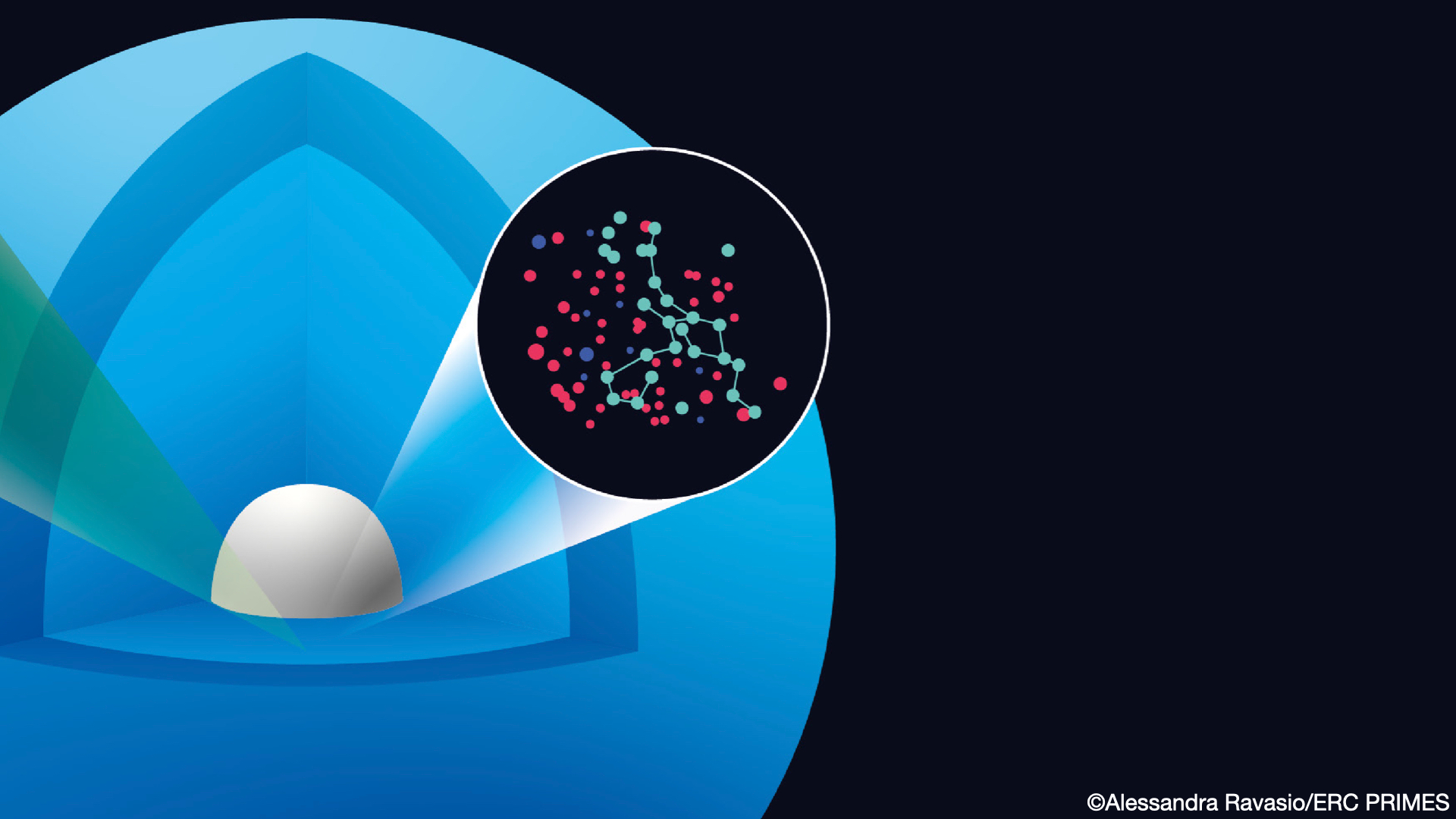
The mission of the High-energy lasers and plasmas under extreme conditions (LEPICE-HDE) research network is to bring together the French community working on high energy density (HED) physics related to high energy lasers. Its role is to strenghten the exchange between the numerous research teams with the aim of developing new experimental and diagnostic tools, as well as improving the modelling capabilities for HED physics in the frame of laser-generated plasmas.
COORDINATION
THÉMATIQUES
COMMUNAUTÉ
The mission of the Quantum Materials and Emerging Phenomena (MAQ-PHEE) research network is to bring together a broad scientific community structured around current and future developments in the field of quantum materials. Quantum materials cover a range of areas, from strongly correlated electron systems producing new states of matter to topological materials developing properties linked to quantum effects. At the microscopic level, fundamental degrees of freedom of a quantum nature interact and give rise to unusual collective phenomena and complex macroscopic states. These are phenomena that can bring new functionalities that will certainly be at the heart of next-generation technologies.
COORDINATION
THEMATICS
COMMUNAUTÉ
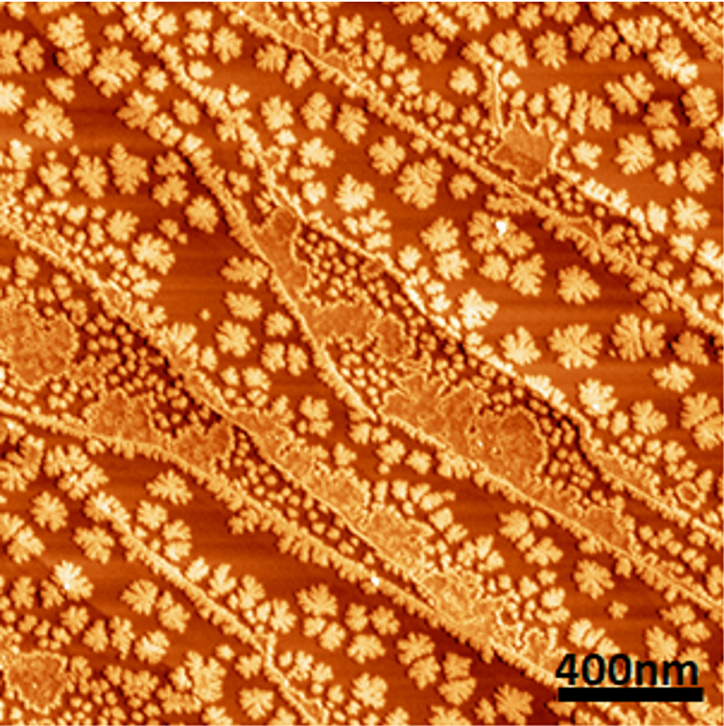
The mission of the GDR Epitaxial materials (MATÉPI) is to bring together the French community working on the growth, characterization and application of epitaxial systems. It aims to promote epitaxy as a discipline of its own and for others, an academic discipline with its own challenges, with strong industrial and economic implications. This GDR aims to foster a deeper understanding of non-equilibrium effects in growth mechanisms, explore the link between the quality of epitaxy at ultimate scales and the structures and properties of epitaxial devices, delve deeper into the functionalization of materials, as well as the industrial applications of epitaxy.
Several crucial issues are addressed by this GDR: highlighting and disseminating the advances made by the epitaxy community, disseminating knowledge, bringing together different groups to stimulate new collaborations and interactions between different communities (semiconductors, oxides, 2D materials, metallic materials...), but also between theory/experiment, fundamental/applied, academic/industrial, etc. As epitaxy is at the heart of technological innovation, the attention paid to its development is closely linked to industrial ambition and economic sovereignty.
COORDINATION
THEMATICS
o Modeling and prediction
o Epitaxy under strong interactions
o Epitaxy under weak interactions (van der Waals)
o Instrumental developments and ex- and in-situ characterizations
o Epitaxy of nanostructures and new systems
o Coupling epitaxy/properties
o Ultimate properties and quantum engineering
o Functionalization of materials
o Industrial issues: from material to device
COMMUNAUTÉ
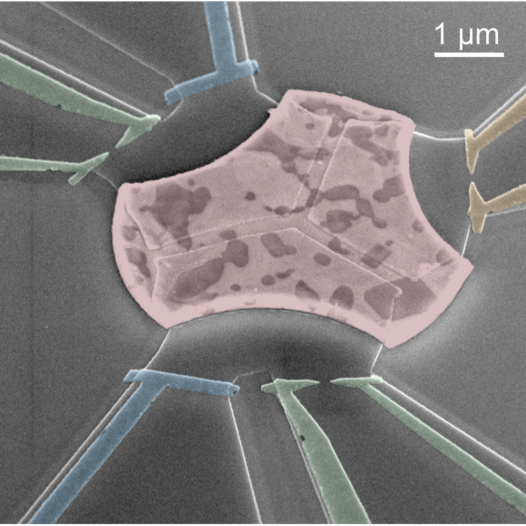
The mission of the Mesoscopic quantum physics (MESO) research network is to bring together the French community whose activities are focused on coherent electronic transport in conductors of all sizes and types (hybrid systems, topological insulators, graphene, etc.). Recent theoretical and experimental developments focus on the manipulation of the quantum states of such systems, and on very large bandwidth experiments.
COORDINATION
THÉMATIQUES
COMMUNAUTÉ
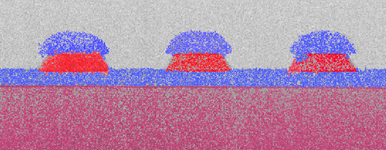
The New Sustainable Materials and Devices (NATURE) research network brings together specialists from physics, materials science, and engineering who are engaged in the physical fabrication and study of the properties of more sustainable (nano)materials and devices. This interdisciplinary GDR also brings together geophysicists and philosophers who explore the relationships between science, technology, and ecological transition. The materials of interest target strategic applications related in particular to energy, the environment, and health.
COORDINATION
THEMATIcS
COMMUNAUTÉ
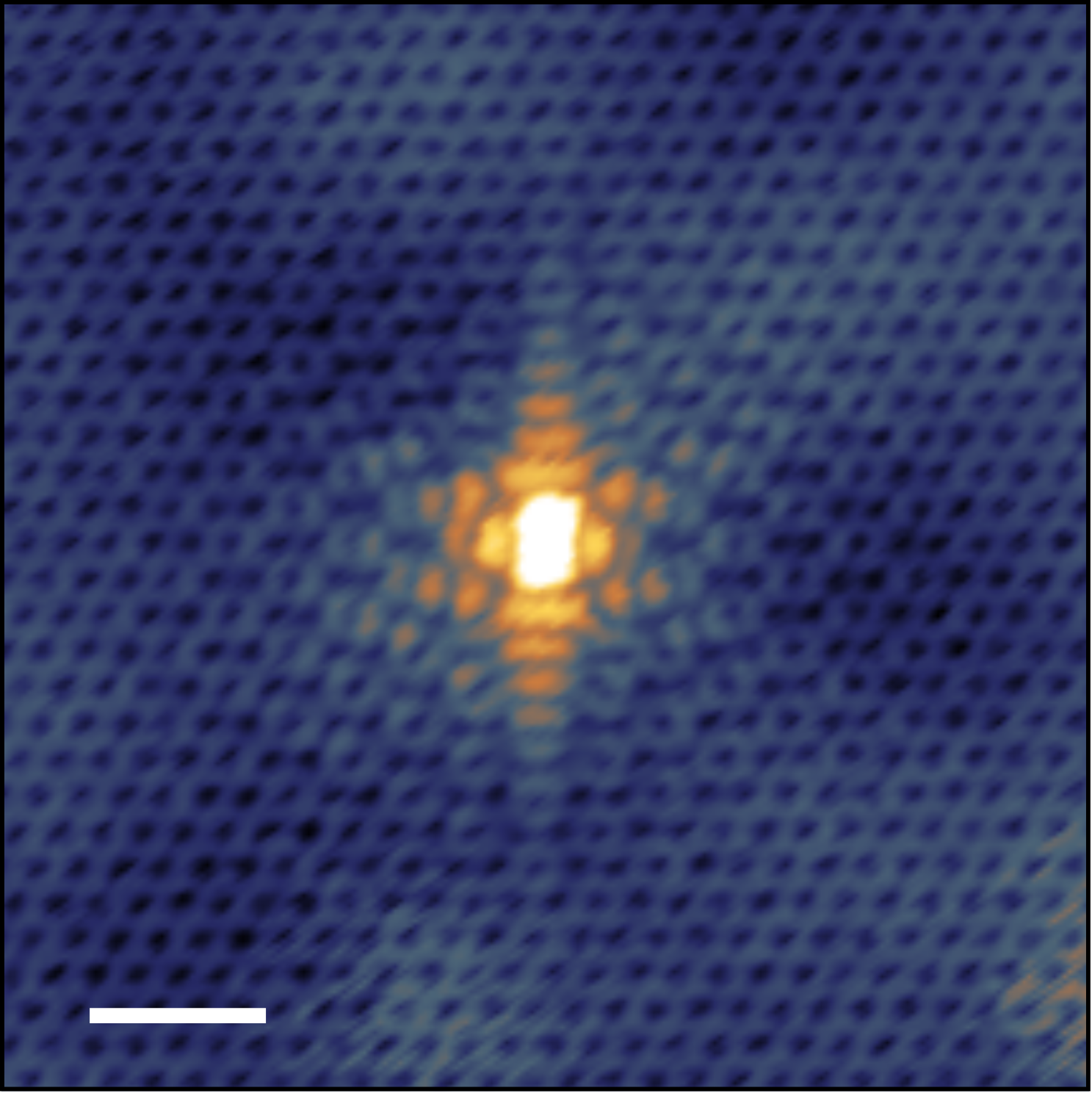
The mission of the Nanosciences with near-field microscopy under ultra-high vacuum (NS-CPU) research network is to bring together the French community whose “nanoscience” research activities are based on scanning probe microscopy (SPM) techniques operating under ultra-high vacuum (UHV). Indeed, a typical phenomenon in nanoscience results from a physical, chemical, magnetic, mechanical or optical fact that must be measured by individual and direct observations with spatial precision of the order of a picometre.
COORDINATION
THEMATICS
COMMUNAUTÉ
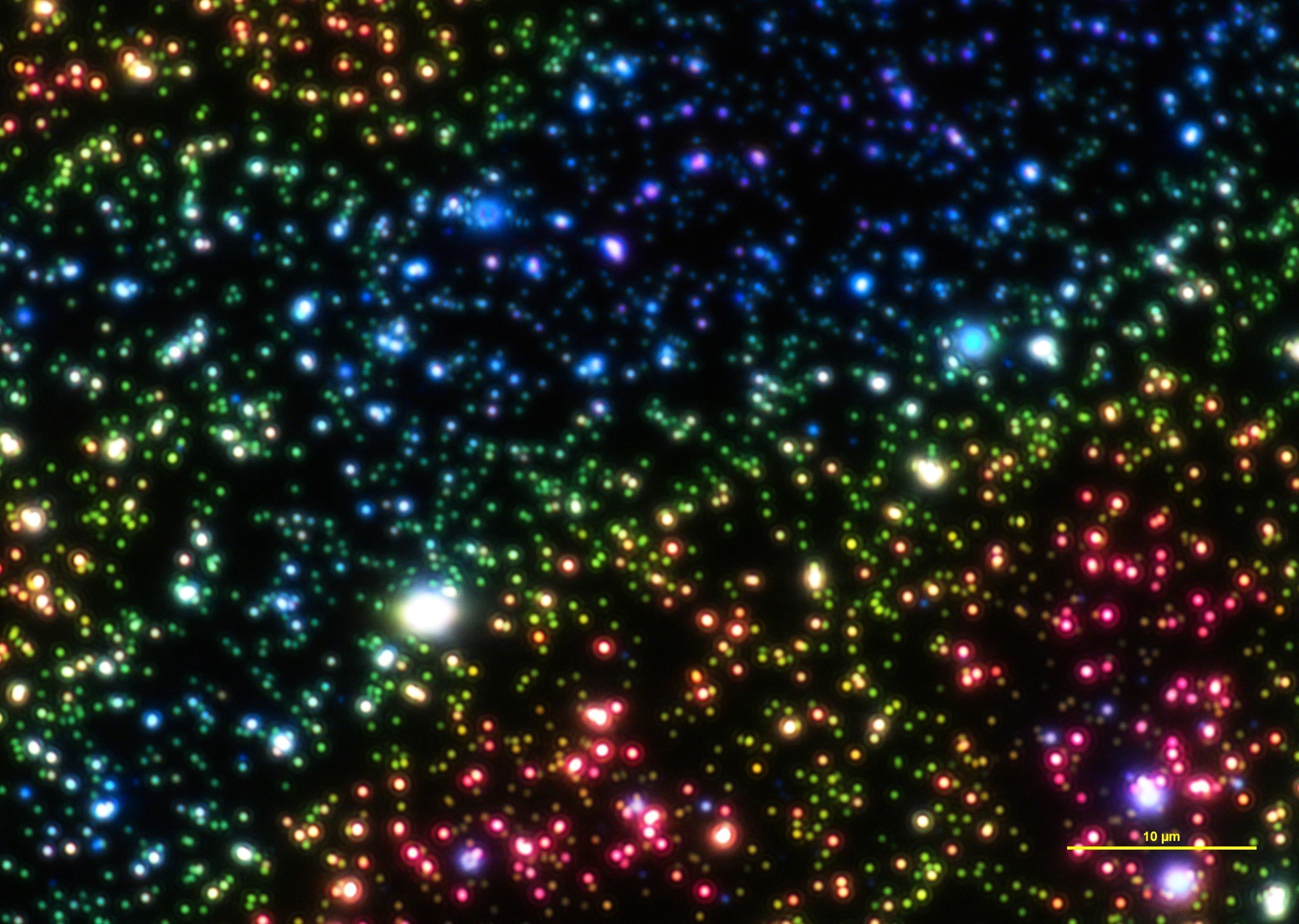
The mission of the Nanoscale gold and gold nanoparticles (Or-nano) research group is to initiate and support collaborations of its researchers on topics related to gold nanoparticles, nanoscale gold films or gold-based complexes. The GDR organises two series of regular events in France: the Or-nano conferences which are of multidisciplinary nature and the Or-nano Discussions which aim to deal in depth with a hot topic. Particular support is offered to doctoral students, notably through exchange grants between affiliated labs to participate in scientific events. Or-nano strongly encourages its members to carry out outreach activities in order to make the general public aware of the
research conducted in its laboratories. Since its creation in 2006, Or-nano has confirmed its dynamism by regularly evolving its topics, and thus aims to actively contribute to the relevance of French research on the world stage.
COORDINATION
THEMATICS
COMMUNAUTÉ
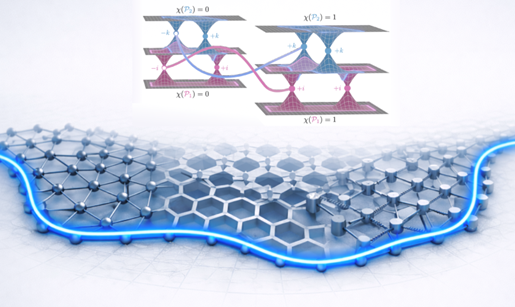
The mission of the Topological Physics research network (PhyTop) is to study the topological and geometric properties that emerge in classical and quantum physical systems. It aims to bring together researchers working on a wide variety of platforms, at all scales, around this common theme, from nanoscience to metamaterials, from photonics to phononics, from acoustics to fluids. It seeks to develop cross-disciplinary theoretical concepts and tools, drawing in particular on interactions with mathematics, to identify new topological systems, to reveal original topological effects in various physical systems, and to exploit their properties in the most appropriate experimental platforms.
COORDINATION
THÉMATIQUES
COMMUNAUTÉ
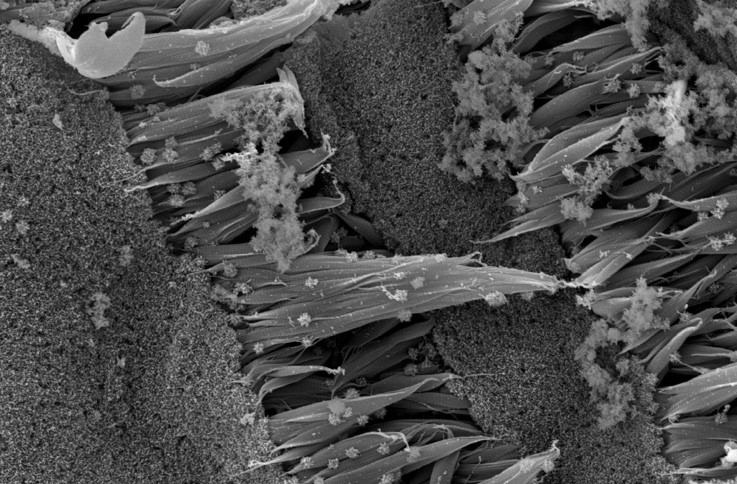
The mission of the GDR Soft Physics for Hard Materials (SoPHy) is to bring together the French community involved in the study of hard materials obtained from soft precursors. This is the case for a wide range of materials such as cement, porous supports for catalysis, and biologically-inspired or -derived materials such as mother-of-pearl or collagen-based composites involving biomineralization processes. This GDR covers all the stages involved in synthesizing and obtaining hard materials, involving complex physical processes associated with the application of internal stimuli (e.g. ice templating, etc.) or external stimuli (e.g. mechanical shearing, high-power ultrasound, etc.) during the shaping of the soft precursor. This GDR will examine the possibility of playing on the structural, mechanical or functional properties of these precursors to better control their final properties in the hardened state.
COORDINATION
THEMATICS
COMMUNAUTÉ
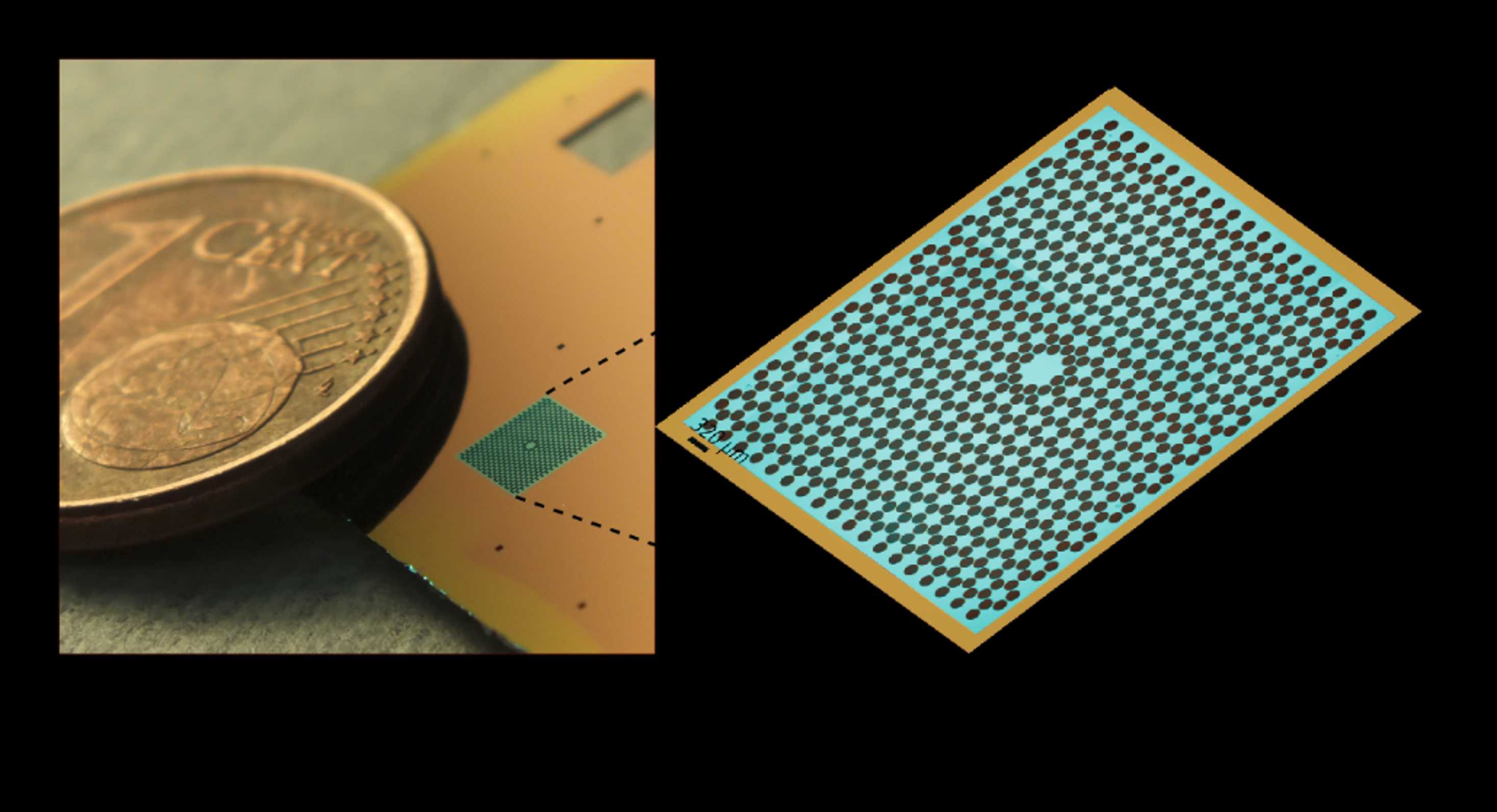
The mission of the GDR Ultra-Sensitive Mechanical Systems: Phononics, Optomechanics, and Nanomechanics (Symphonique) is to bring together the French research community whose work is related to nanomechanics and optomechanics, particularly in the regime where quantum fluctuations play a significant role. Metrology, ultrasensitive measurements, and quantum information are among the research topics of the MecaQ GDR.
COORDINATION
THÉMATICS
COMMUNAUTÉ
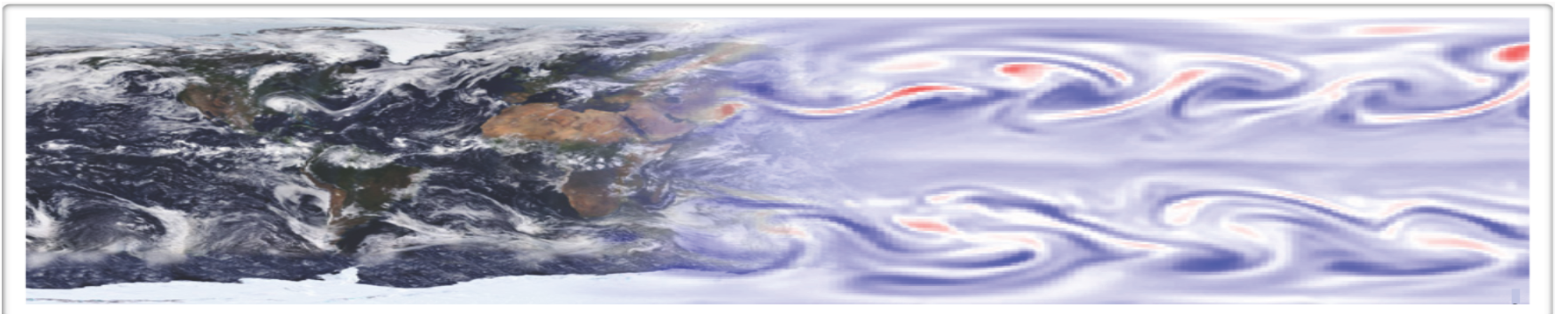
The Theoretical Challenges for Climate Sciences (Théorie & Climat) gathers the community of theoreticians: physicists, climatologists, oceanographers, atmospheric scientists, mathematicians, computer scientists, numerical scientists, machine learners, who work on climate sciences. Its aim is to develop innovative theoretical and numerical tools to overcome current scientific gaps. Approaches in statistical physics, turbulence modelling, mathematics and machine learning will help to deepen the understanding of fundamental mechanisms, improve models, and better predict extreme climate events to reduce uncertainties about the impacts of climate changes. This GDR has a strong interdisciplinary vocation and involves researchers from several CNRS institutes, many other French scientific organizations, and private companies.
COORDINATION
THÉMATIQUES
COMMUNAUTÉ
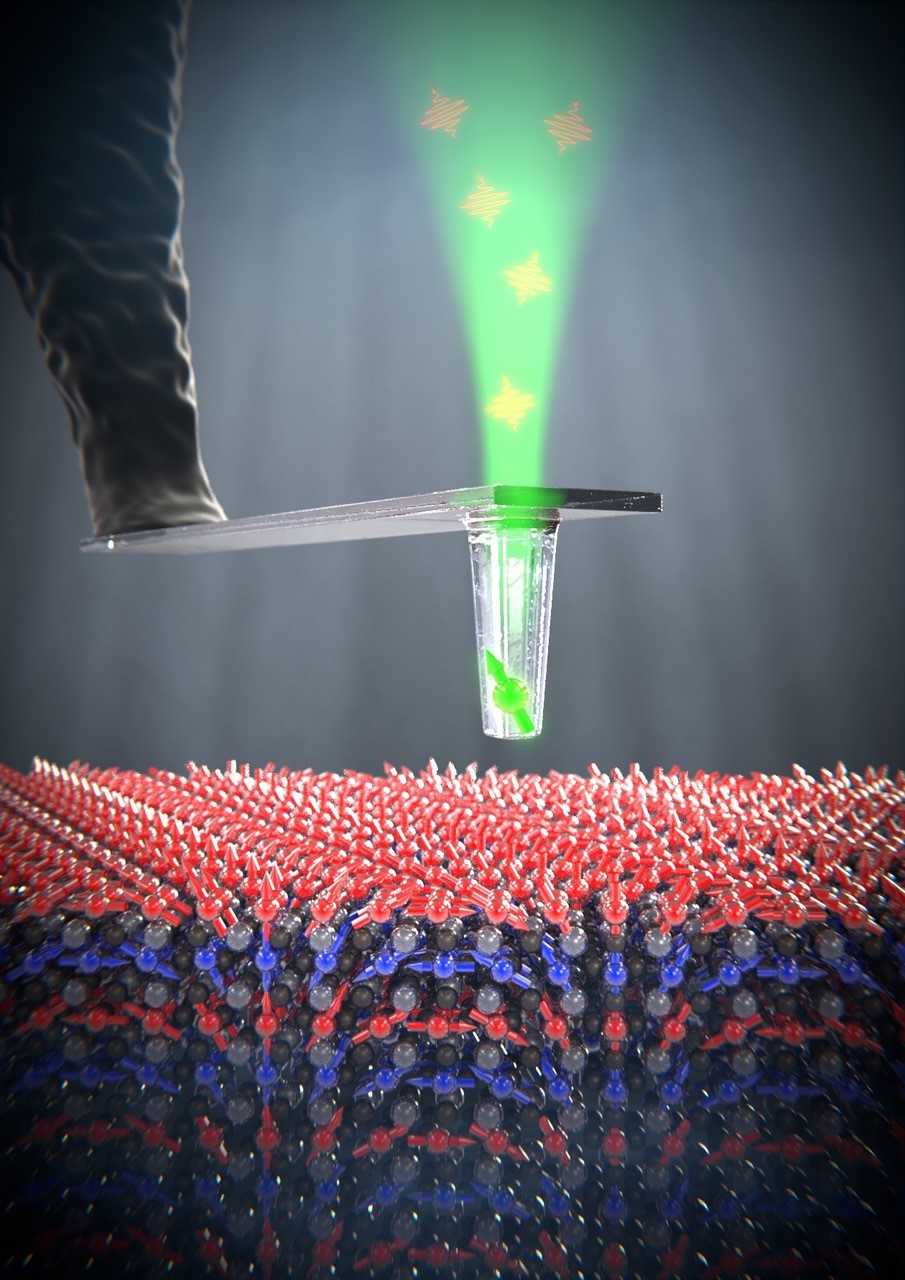
The mission of the GDR Quantum technologies (TeQ) is to bring together the multidisciplinary French community whose research activities cover the broad spectrum of quantum technologies, from physics to computer science, mathematics and chemistry. This GDR encompasses all the different types of physical support for quantum information, such as photons, trapped atoms and ions, quantum boxes and point defects in the solid state, superconducting circuits, hybrid quantum systems... In particular, its scientific scope combines theoretical and experimental developments, ranging from highly exploratory aspects to engineering aspects on mature technologies.
COORDINATION
THÉMATIQUES
COMMUNAUTÉ
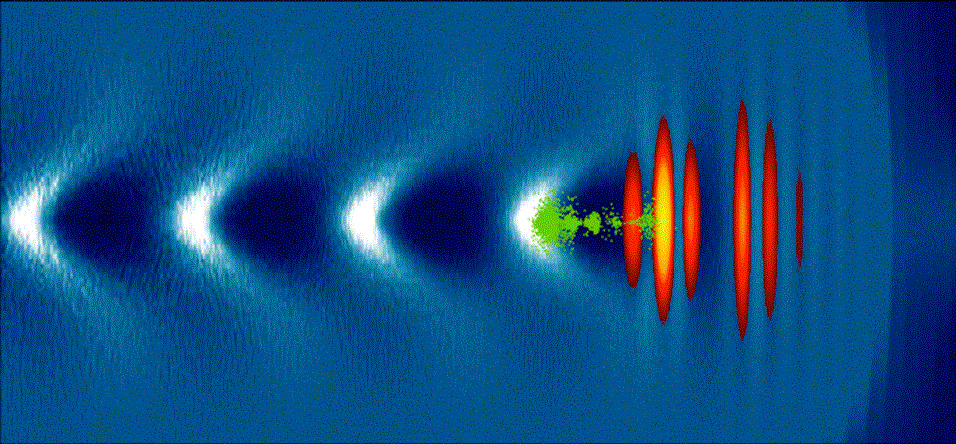
The Ultrafast Phenomena (UP) research network brings together French experimentalists and theorists interested in physical phenomena at ultrafast time scales (attoseconds, femtoseconds, picoseconds). The GDR focuses on phenomena such as charge dynamics, vibrations, energy transfer, structural changes, phase transitions, etc. The systems studied cover all phases of matter (dilute, solid, liquid, plasma), from simple or complex atoms and molecules, isolated or in condensed phase, to nanometric materials and objects. The physics and development of ultra-short secondary radiation sources (UVX, THz, electrons, protons) are also central to the UP GDR, reinforcing the emergence of new themes.
COORDINATION
THÉMATIQUES
COMMUNAUTy
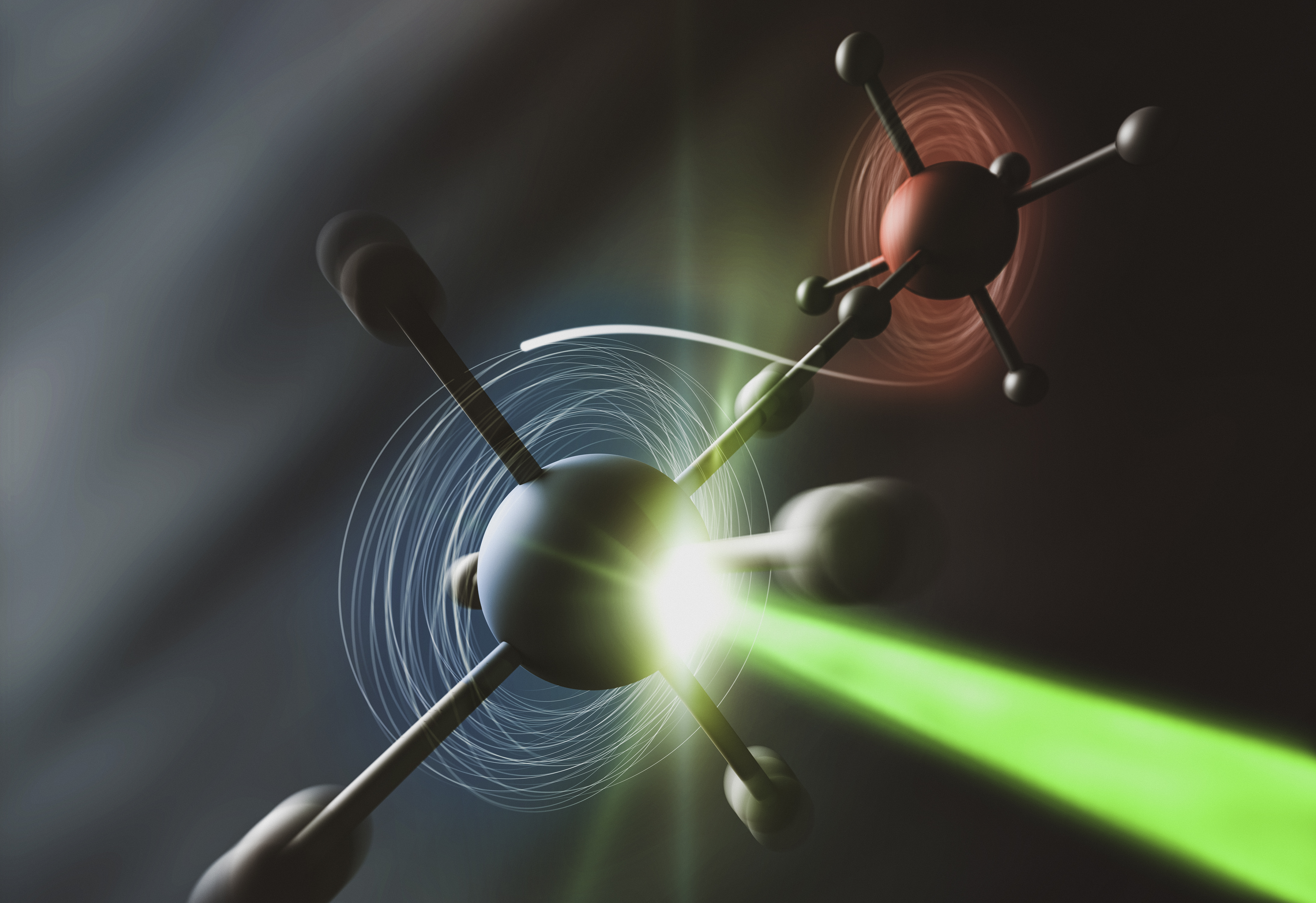
The mission of Science with XFELs (XFELs) research network is to bring the French community of involved researchers in studies using X-ray free-electron lasers (FELs) emitting in the X-ray domain. At the interface of physics, chemistry biology and universe sciences, the XFEL GDR aims at sharing know-how and at maintaining the community aware on the fast evolution of the possibilities provided by this kind of installation. To consolidate and expand the French community of users of these instruments, the XFEL research network also offers structured support to early-career researchers.
COORDINATION
THÉMATIQUES
COMMUNAUTÉ